Watering Techniques for Healthy Microgreens
Master the art of watering microgreens with tips on frequency, methods, and avoiding common watering mistakes.
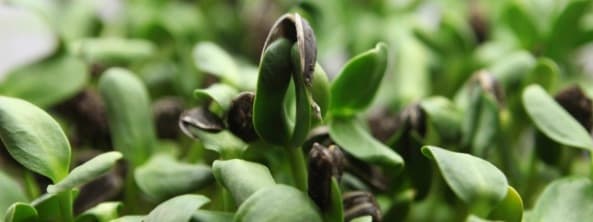
Watering is one of the most critical aspects of growing microgreens, and it's where many beginners struggle. Too much or too little water can quickly ruin a crop. Here's how to get it right.
Understanding Microgreens Water Needs
Microgreens need consistent moisture but not saturation. The growing medium should feel like a damp sponge - moist but not dripping. Unlike mature plants, microgreens have shallow roots and can't access water deep in the soil.
Watering Methods
1. Top Misting (Spray Bottle)
Best for: Small trays, delicate varieties, maintaining humidity during germination
How to: Use a fine mist spray bottle. Mist 2-3 times daily, or when the surface looks dry. Avoid heavy streams that can disturb seeds or seedlings.
Pros: Gentle, easy to control, good for small setups
Cons: Time-consuming for larger operations, can miss spots
2. Bottom Watering
Best for: Established microgreens, larger trays, preventing mold
How to: Pour water into the bottom tray (if using nested trays) or into a larger container holding your growing tray. Let the growing medium wick up water for 10-30 minutes, then pour off excess.
Pros: Keeps leaves dry (reduces mold risk), more efficient, better for larger setups
Cons: Requires proper drainage setup
3. Gentle Pouring
Best for: Medium-sized trays, when you need to water quickly
How to: Pour water slowly along the edges of the tray, avoiding direct contact with plants. Let it spread naturally.
Pros: Faster than misting, good for medium setups
Cons: Can disturb plants if not careful, may not distribute evenly
Watering Schedule by Growth Stage
Germination Stage (Days 1-3)
- Keep growing medium consistently moist
- Mist 2-3 times daily
- Covered trays need less frequent watering
- Check under cover daily - condensation indicates good humidity
Early Growth (Days 4-7)
- Continue regular misting or switch to bottom watering
- Water when surface feels dry to touch
- Reduce frequency slightly as roots establish
- Watch for signs of overwatering (mold, yellowing)
Pre-Harvest (Days 8-14)
- Maintain consistent moisture
- Bottom watering is ideal to keep leaves dry
- Water 1-2 times daily depending on conditions
- Reduce watering 12-24 hours before harvest for easier cutting
Signs of Watering Problems
Overwatering
- Mold growth on soil or seeds
- Yellowing leaves
- Wilting despite wet soil
- Fungus gnats
- Root rot (if you can see roots)
Solution: Reduce watering frequency, improve drainage, increase air circulation
Underwatering
- Dry, crispy growing medium
- Wilting plants
- Slow or stunted growth
- Seeds not germinating
Solution: Increase watering frequency, check that water is reaching all areas
Water Quality Considerations
Tap Water: Usually fine, but let it sit for 24 hours to allow chlorine to evaporate if your area heavily chlorinates.
Filtered Water: Good option if you have hard water or want to avoid any potential issues.
pH Level: Most microgreens prefer pH 6.0-7.0. Test your water if you're having persistent problems.
Temperature: Room temperature water is best - cold water can shock the plants.
Environmental Factors Affecting Water Needs
- Temperature: Warmer conditions = more frequent watering
- Humidity: Low humidity = more frequent watering
- Air circulation: Good airflow = more frequent watering (but reduces mold risk)
- Light intensity: More light = slightly more water needed
- Tray size: Smaller trays dry out faster
- Growing medium: Some mediums retain water better than others
Pro Tips
- Water in the morning when possible - gives plants time to dry before evening
- Use room temperature water to avoid shocking plants
- Check moisture by touching the growing medium, not just looking
- If using nested trays, ensure the bottom tray has drainage or empty excess water
- Keep a spray bottle handy for quick touch-ups
- Consider a humidity dome during germination to reduce watering needs
- Group trays together to create a more humid microclimate
- Mark your watering schedule on a calendar until it becomes routine
Common Mistakes to Avoid
- Don't water on a strict schedule - check conditions first
- Don't let trays sit in standing water (except during bottom watering)
- Don't water from too high - it can disturb seeds and compact soil
- Don't forget to water edges of trays - they dry out faster
- Don't overcompensate - if you missed a watering, don't flood the tray