Troubleshooting Common Microgreens Problems
Learn how to identify and fix the most common issues when growing microgreens, from mold to leggy growth.
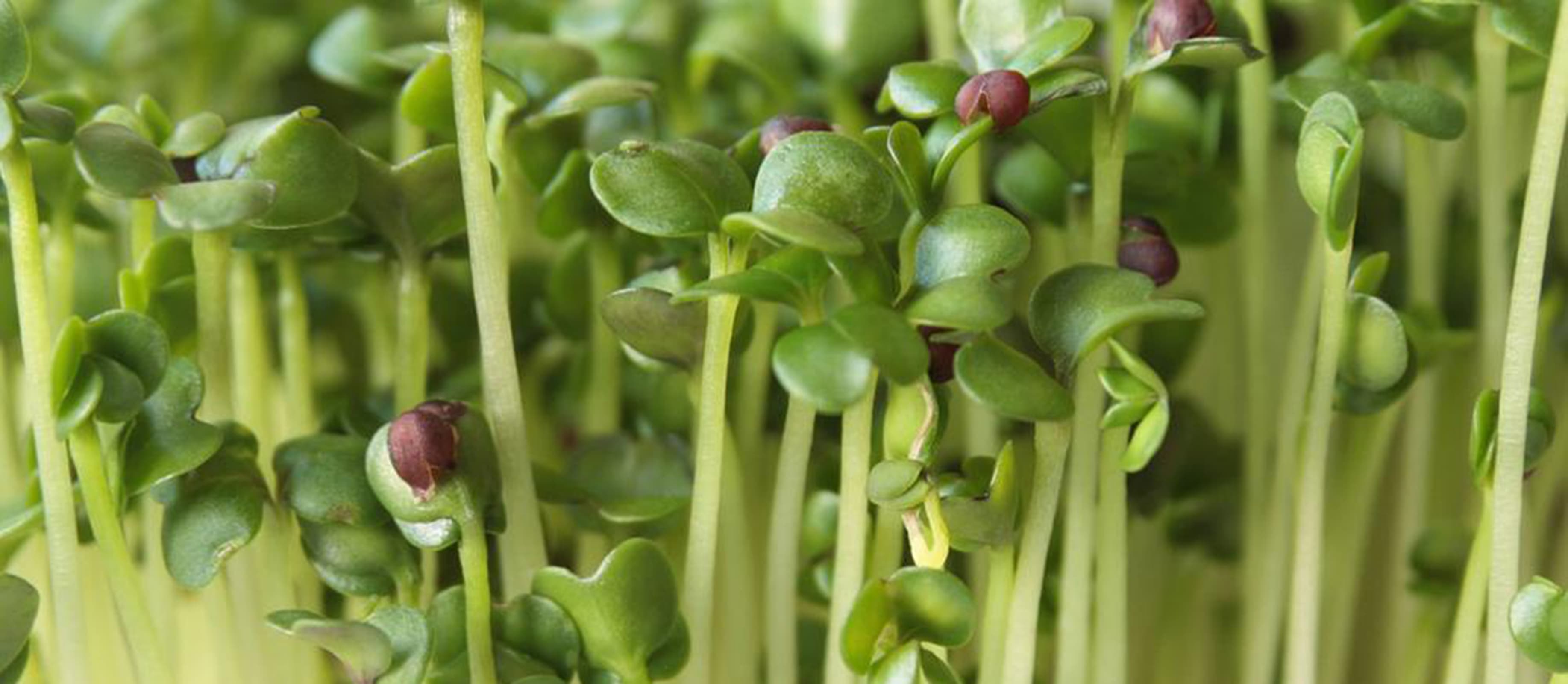
Even experienced growers encounter problems with microgreens. Here's how to identify and fix the most common issues.
Problem 1: Mold Growth
Mold is one of the most common issues, especially in humid conditions. You'll see white, fuzzy growth on the soil or seeds.
Solutions:
- Improve air circulation with a small fan
- Reduce watering frequency - only mist when the surface feels dry
- Ensure proper drainage in your growing tray
- Use sterile growing medium
- Don't overcrowd seeds - give them space to breathe
Problem 2: Leggy or Stretched Growth
If your microgreens are tall and spindly with weak stems, they're not getting enough light.
Solutions:
- Move to a brighter location or add grow lights
- Keep lights 6-12 inches above the plants
- Provide 12-16 hours of light per day
- Rotate trays daily for even light exposure
Problem 3: Slow or No Germination
If seeds aren't sprouting, several factors could be at play.
Solutions:
- Check seed viability - old seeds may not germinate
- Ensure proper temperature (18-24°C is ideal)
- Some seeds need pre-soaking (check seed packet)
- Keep growing medium consistently moist but not waterlogged
- Ensure seeds have good contact with the growing medium
Problem 4: Yellowing Leaves
Yellow leaves can indicate nutrient deficiency or overwatering.
Solutions:
- Reduce watering frequency
- Ensure proper drainage
- Most microgreens don't need fertilizer, but if using soil, ensure it's nutrient-rich
- Check that pH is between 6.0-7.0
Problem 5: Damping Off
Seedlings collapse and die at the soil line - this is damping off disease.
Solutions:
- Use sterile growing medium
- Improve air circulation
- Don't overwater
- Start with clean containers and tools
- If it occurs, remove affected plants immediately
Prevention is Key
The best way to avoid problems is through proper setup: use clean containers, quality seeds, appropriate growing medium, and maintain consistent temperature and lighting. Most issues stem from overwatering or insufficient light, so get those basics right first!