Lighting Setup for Indoor Microgreens
Learn about grow lights, natural light, and lighting schedules to ensure your microgreens grow healthy and strong.
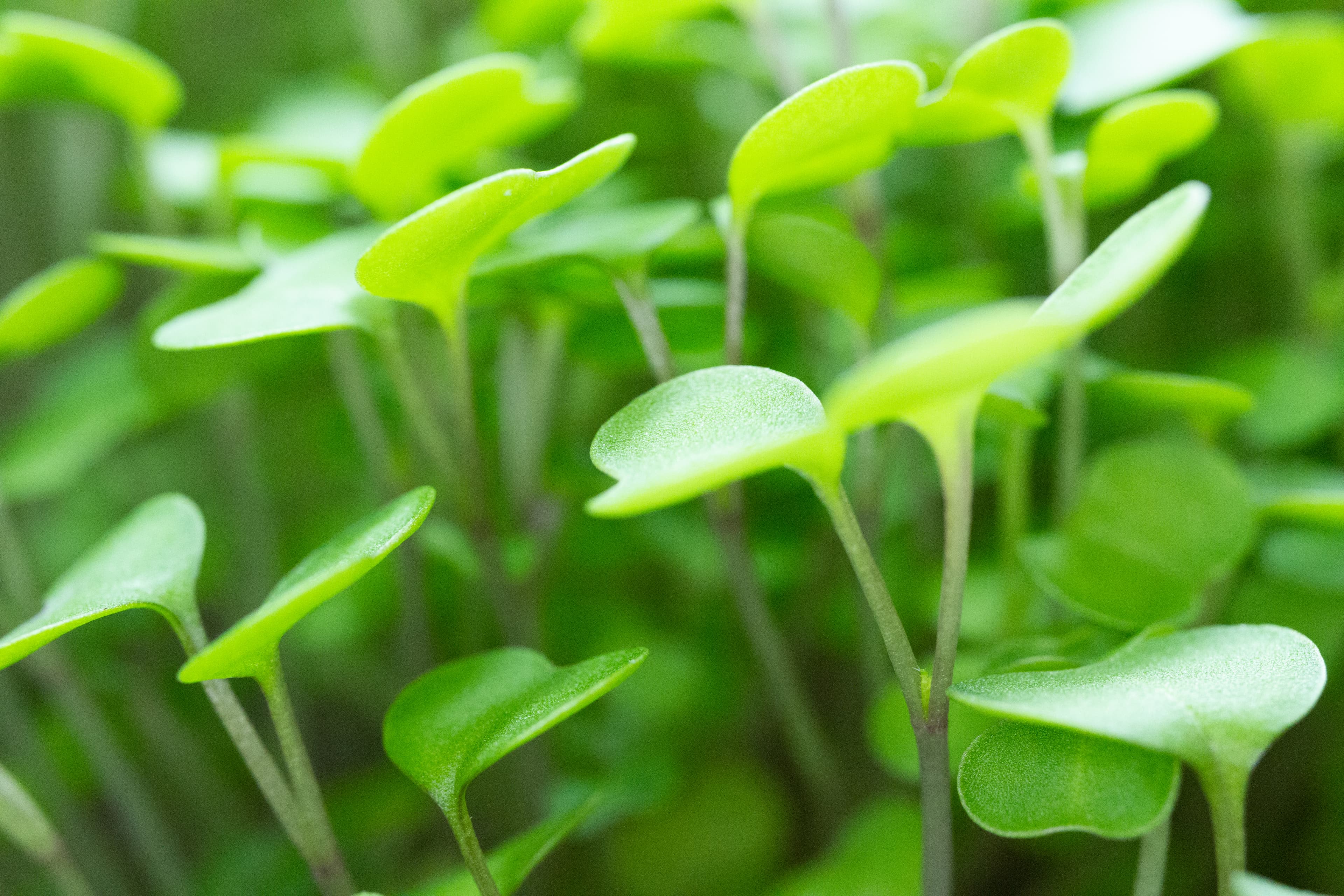
Proper lighting is crucial for healthy microgreens. While some varieties can grow in natural light, most benefit from supplemental or dedicated grow lights, especially during winter months.
Natural Light vs. Grow Lights
Natural Light: If you have a bright south-facing window, you can grow microgreens with natural light. However, you'll need to rotate trays daily for even growth, and results may be inconsistent depending on weather and season.
Grow Lights: More reliable and consistent. You can control intensity and duration, ensuring your microgreens get exactly what they need regardless of weather or season.
Types of Grow Lights
LED Grow Lights
Pros: Energy efficient, long-lasting, low heat output, full spectrum available
Cons: Higher upfront cost
Best for: Most home growers - the best balance of efficiency and performance
Fluorescent T5 Lights
Pros: Affordable, good for seedlings, low heat
Cons: Less energy efficient than LED, need replacement more often
Best for: Budget-conscious growers, small setups
Compact Fluorescent (CFL)
Pros: Very affordable, easy to find, works in standard sockets
Cons: Less efficient, shorter lifespan
Best for: Very small setups, testing before investing in better lights
Lighting Setup Guidelines
Distance from Plants
- LED lights: 6-12 inches above the microgreens
- T5 fluorescent: 4-6 inches above
- CFL: 4-6 inches above
Start higher and lower gradually if plants stretch. If leaves look bleached or burned, raise the lights.
Light Duration
Most microgreens need 12-16 hours of light per day. Use a timer to automate this - it's essential for consistent growth.
- Standard schedule: 14-16 hours on, 8-10 hours off
- Some varieties: Can benefit from 18 hours, but 12-16 is usually sufficient
Light Intensity
Microgreens don't need as much light as mature plants. Too much light can cause stress. Aim for moderate intensity - if you can comfortably read under the lights, the intensity is probably fine.
Setting Up Your Grow Light System
- Choose your lights: LED panels or T5 fixtures work well for most setups
- Install a timer: Essential for consistent lighting schedules
- Position lights: Mount or hang lights so they can be adjusted in height
- Test the setup: Run for a day to ensure timers work and lights don't overheat
- Monitor first crop: Adjust height based on how plants respond
Signs of Lighting Problems
- Leggy growth: Lights too far away or not enough hours
- Bleached leaves: Lights too close or too intense
- Uneven growth: Uneven light distribution - rotate trays or add more lights
- Slow growth: Insufficient light duration or intensity
Budget-Friendly Options
If you're just starting out, you don't need expensive equipment:
- Use CFL bulbs in clamp lights for small trays
- Look for LED shop lights - they work great and are affordable
- Start with one light and expand as needed
- Check second-hand markets for used grow lights
Pro Tips
- Use a timer - manual on/off is unreliable and will affect your results
- Keep lights clean - dust reduces efficiency
- Monitor temperature - some lights produce heat that can affect growing conditions
- Consider full-spectrum lights for best results, though white LEDs work fine too
- Group your trays together under lights to maximize efficiency