Harvesting and Storing Microgreens for Maximum Freshness
Learn the best techniques for harvesting microgreens at the perfect time and storing them to maintain flavor and nutrition.
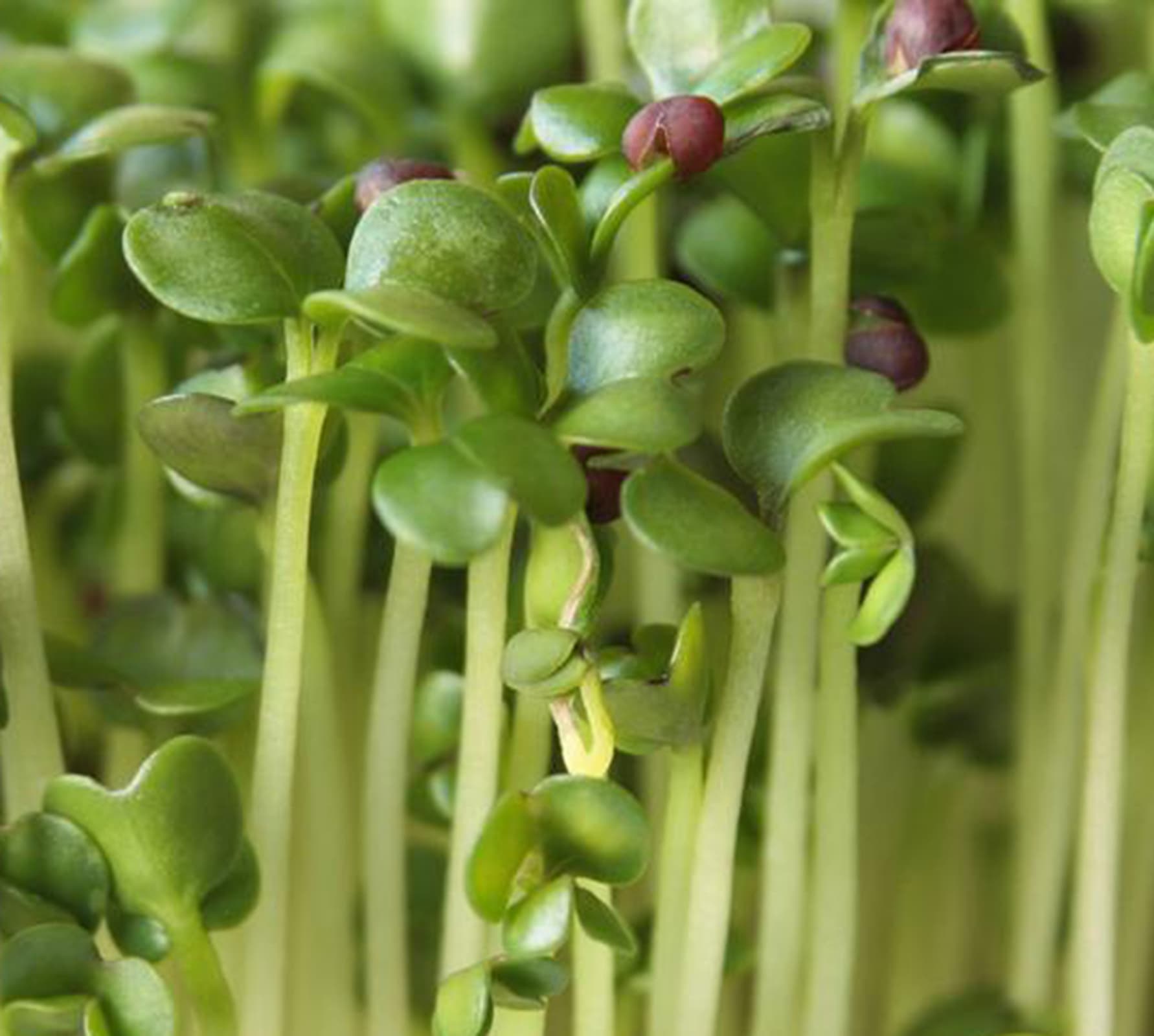
Knowing when and how to harvest your microgreens, plus proper storage techniques, ensures you get the best flavor, texture, and nutritional value from your crop.
When to Harvest
Most microgreens are ready to harvest when they develop their first true leaves (the second set of leaves after the initial seed leaves). This typically occurs 7-14 days after planting, depending on the variety.
Harvest Timing by Variety
- Fast growers (5-7 days): Cress, arugula, mustard
- Medium growers (7-10 days): Broccoli, radish, kale, cabbage
- Slower growers (10-14 days): Pea shoots, sunflower, beet
Visual Signs of Readiness
- First true leaves are fully developed
- Plants are 2-3 inches tall (varies by variety)
- Leaves are vibrant and healthy-looking
- Stems are strong but still tender
Don't wait too long: Over-mature microgreens can become tough and lose their delicate flavor. It's better to harvest slightly early than too late.
How to Harvest
Method 1: Cutting Above the Soil
Best for: Most microgreens, when you want to keep the growing medium clean
- Use clean, sharp scissors or a sharp knife
- Cut just above the growing medium surface
- Hold the microgreens gently as you cut to avoid bruising
- Cut in sections if you have a large tray
Pros: Clean harvest, no soil contamination, can regrow some varieties
Cons: Takes more time, requires sharp tools
Method 2: Pulling from Root
Best for: Small batches, when you want the whole plant
- Gently grasp a small handful at the base
- Pull straight up with steady pressure
- Shake gently to remove excess growing medium
Pros: Fast, gets the whole plant
Cons: Can be messy, may include growing medium
Pre-Harvest Preparation
- Stop watering 12-24 hours before harvest: This makes cutting easier and reduces moisture on leaves
- Harvest in the morning: Plants are crispest after the dark period
- Clean your tools: Use sanitized scissors or knives to prevent contamination
- Have containers ready: Prepare storage containers before you start harvesting
Cleaning Your Harvest
Most microgreens don't need extensive washing if grown in clean conditions, but a light rinse can help:
- Gently place harvested microgreens in a colander or salad spinner
- Rinse with cool, clean water - be very gentle
- Use a salad spinner to remove excess water (gentle spin)
- Or pat dry with paper towels or clean kitchen towels
Important: Only wash what you're using immediately. Unwashed microgreens store better.
Storage Methods
Short-Term Storage (1-3 days)
Method: Refrigerator in breathable container
- Place unwashed microgreens in a container lined with paper towel
- Don't pack tightly - allow air circulation
- Store in the refrigerator crisper drawer
- Check daily and remove any wilted pieces
Container options: Perforated plastic bags, containers with lids slightly ajar, or containers with ventilation holes
Medium-Term Storage (3-7 days)
Method: Properly sealed container with moisture control
- Line container with paper towel or cloth
- Add microgreens, but don't pack
- Add a dry paper towel on top to absorb excess moisture
- Seal container but check daily
- Replace paper towels if they become damp
Storage Conditions
- Temperature: 2-4°C (35-40°F) - standard refrigerator temperature
- Humidity: Moderate - not too dry, not too humid
- Light: Store in darkness - light can cause wilting and nutrient loss
- Air circulation: Some airflow helps prevent condensation
What NOT to Do
- Don't store in airtight containers without ventilation - this causes condensation and rot
- Don't wash before storing - moisture accelerates spoilage
- Don't store near ethylene-producing fruits (apples, bananas) - they can cause premature wilting
- Don't pack too tightly - microgreens need space to breathe
- Don't store at room temperature - they'll wilt quickly
Freezing Microgreens
Freezing is generally not recommended as it destroys texture and much of the nutritional value. However, if you must freeze:
- Freeze immediately after harvest
- Use for smoothies or cooked dishes where texture doesn't matter
- Expect significant quality loss
Signs of Spoilage
- Wilting or limp leaves
- Discoloration (yellowing, browning)
- Slime or excessive moisture
- Off odors
- Mold growth
When in doubt, discard. Fresh microgreens should be crisp, vibrant, and smell fresh and green.
Maximizing Shelf Life
- Harvest at the right time - not too early, not too late
- Handle gently to avoid bruising
- Keep them dry until ready to use
- Store immediately after harvest
- Use the oldest harvest first (first in, first out)
- Check stored microgreens daily
Using Stored Microgreens
When ready to use stored microgreens:
- Remove from refrigerator
- Gently rinse if needed (only if you didn't wash before storing)
- Pat dry or use salad spinner
- Use immediately for best flavor and texture
Pro Tips
- Harvest only what you need - microgreens are best when freshly cut
- If growing multiple varieties, label your storage containers
- Keep a harvest log to track which varieties store best
- Consider staggered planting so you always have fresh microgreens ready
- Share excess harvests with friends and family - they're best when super fresh!